
- All
- Product Name
- Product Keyword
- Product Model
- Product Summary
- Product Description
- Multi Field Search

Views: 0 Author: Site Editor Publish Time: 2025-12-24 Origin: Site


Air compressors are essential tools in many industries. They power everything from construction equipment to automotive systems. However, they can face various problems that disrupt operations.
In this article, we will explore common air compressor issues and their solutions. You’ll learn about different types of compressors and how brands like Bailian Compressors lead the way in innovative technology.
An air compressor is a device that converts power into potential energy stored in compressed air. Its primary purpose is to compress air for various applications, providing a reliable source of energy for tools and machinery. By using a motor or engine, it draws in air and compresses it, increasing its pressure and reducing its volume.
Air compressors come in several types, each designed for specific tasks. Here are the most common types:
● Oil-Free Compressors: Ideal for applications requiring clean air, such as food processing and medical equipment. They eliminate the risk of oil contamination.
● Rotary Screw Compressors: These compressors use two rotating screws to compress air continuously. They are efficient for industrial applications requiring high volumes of air.
● Reciprocating Compressors: Utilizing pistons to compress air, these are common in smaller applications. They are versatile and can handle varying pressure requirements.
Type of Compressor | Key Features | Best Uses |
Oil-Free | No oil contamination | Food, medicine, electronics |
Rotary Screw | Continuous operation, high efficiency | Manufacturing, automotive |
Reciprocating | Versatile, adjustable pressure | Small workshops, home use |
Air compressors play a vital role in a multitude of industries. They are essential for powering pneumatic tools, providing energy for manufacturing processes, and facilitating various applications. Here’s a closer look at their significance:
● Construction: Air compressors power tools like nail guns and jackhammers, improving efficiency on job sites.
● Automotive: In automotive shops, they are used for painting, inflating tires, and operating pneumatic tools, enhancing productivity.
● Manufacturing: Compressors drive machinery and provide a clean air supply for processes that require precision, such as assembly lines.
When it comes to air compressors, several brands stand out for their innovation and reliability. One notable brand is Bailian Compressors, recognized for its cutting-edge oil-free technology. Their products are designed to meet high standards of performance and efficiency, making them a preferred choice in many industries.
● Bailian Compressors: Known for their commitment to quality and innovation, they offer a range of oil-free compressors suitable for various applications.
● Other Notable Brands: Brands like Ingersoll Rand and Atlas Copco also provide reliable air compressor solutions, catering to different market needs.
In summary, understanding air compressors and their applications helps businesses choose the right equipment for their needs. With innovative brands like Bailian leading the way, the future of air compression looks promising.
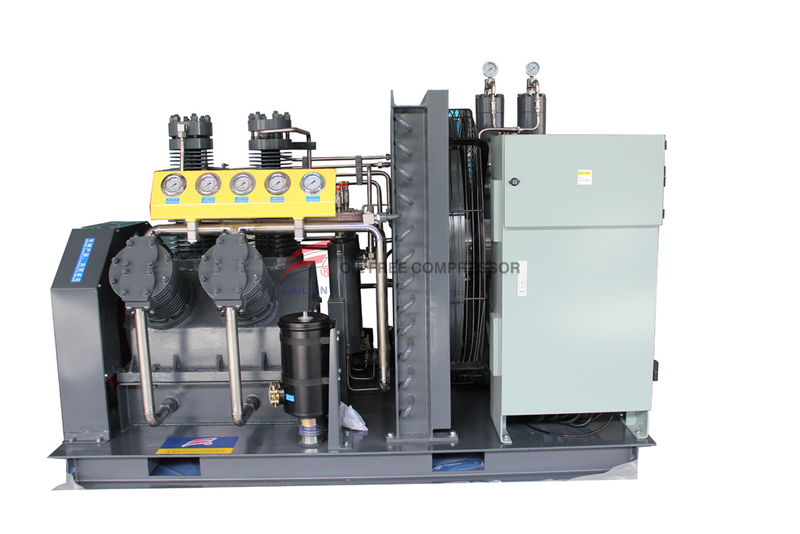
Air compressors are indispensable tools in various industries, but they can face several issues that disrupt their functionality. Understanding these common problems is essential for maintaining efficiency and ensuring reliable performance. Below, we will explore some typical issues, their causes, and practical solutions to keep your air compressor running smoothly.
When an air compressor fails to start, it can be a source of frustration and downtime. There are several reasons this might happen:
● Power Supply Issues: The first step is to check the power supply. Ensure that the compressor is plugged in and that the circuit breaker hasn’t tripped. Loose connections can also prevent the motor from receiving power. If the power supply is unstable, it can lead to further complications.
● Pressure Settings and Tank Conditions: Sometimes, the compressor won’t start because the tank pressure is already above the cut-in pressure setting. This means that the compressor thinks it doesn’t need to operate. Draining some air from the tank can help reset the system and allow it to start.
● Motor Malfunctions: Motor issues can range from simple electrical failures to more complex mechanical problems. If the motor is not functioning correctly, it may require professional servicing. Regular maintenance can help identify potential motor issues before they lead to a complete failure.
Brand Insight: Bailian Compressors places a strong emphasis on quality control and rigorous testing to minimize startup issues. Their commitment to reliability means that customers often experience fewer problems right from the start, ensuring smoother operations.
Low pressure in an air compressor can significantly hinder its performance, affecting everything from tool operation to production efficiency. Here’s what to look for:
● Signs of Insufficient Pressure: If you notice that your tools are not performing as expected, or if the airflow seems weaker than usual, it’s likely a sign of low pressure. You might also hear hissing sounds, which could indicate a leak.
● Potential Causes: Clogged air filters are a common culprit, as they restrict airflow into the compressor. Additionally, leaks in hoses or fittings can lead to significant pressure loss. These leaks not only reduce efficiency but can also increase energy consumption.
Problem | Symptoms | Solutions |
Clogged Filters | Weak airflow | Clean or replace filters |
Air Leaks | Hissing sounds, pressure drop | Inspect and seal connections |
Solutions Specific to Bailian Products: For users of Bailian's oil-free compressors, it’s crucial to maintain clean air intake filters. Regularly checking and replacing these filters can prevent pressure loss and ensure optimal performance. This proactive approach can save time and reduce operational costs in the long run.
Unusual noises or excessive vibrations from an air compressor can be alarming and may indicate underlying issues. Here’s how to address these concerns:
● Common Sources of Noise: Noises can stem from various sources, including loose parts, such as bolts or covers, which can create rattling sounds. Worn bearings can also contribute to increased noise levels, as they may cause the motor to operate less smoothly.
● How to Diagnose the Problem: Start by tightening all visible components and checking for any loose screws or fittings. If the noise persists, inspect the bearings for wear and replace them if necessary. Regular maintenance can help identify these issues early, preventing more significant problems down the line.
Bailian's Engineering Solutions: Bailian Compressors are designed with noise reduction in mind. Their engineering focuses on precise alignment and sturdy construction, which minimizes vibrations and ensures quieter operation. This attention to detail not only enhances user comfort but also prolongs the lifespan of the equipment.
Overheating is a serious concern for air compressors, as it can lead to permanent damage if not addressed promptly. Here are some common causes and solutions:
● What Causes Air Compressors to Overheat?: Overheating can result from cooling system failures, such as a malfunctioning fan or blocked vents. Poor ventilation, especially in high-temperature environments, can exacerbate this problem, leading to excessive heat buildup.
● Best Practices from Bailian: To maintain optimal operating temperatures, ensure that there is adequate airflow around the compressor. Regularly clean the cooling system and check for any blockages that may impede airflow. Additionally, consider the environment where the compressor is located; moving it to a cooler area can significantly reduce overheating risks.
Overheating Causes | Symptoms | Recommended Actions |
Blocked Cooling Vents | High temperature readings | Regularly clean vents |
Malfunctioning Cooling Fan | Compressor shuts down | Inspect and replace fan if needed |
Poor Ventilation | Excessive noise, vibrations | Ensure adequate space around unit |
Oil contamination can severely affect the quality of compressed air and the performance of pneumatic tools. Understanding how this occurs is crucial:
● How Does Oil Contamination Occur?: Oil can leak into the air lines due to worn seals or overfilled oil reservoirs. This contamination not only affects air quality but can also lead to damage in pneumatic tools and equipment.
● Impact on Performance and Solutions: Oil in the air lines can compromise the performance of tools, leading to inefficiencies and increased maintenance costs. Regular maintenance, including checking seals and ensuring proper oil levels, is vital for preventing this issue.
Oil Contamination Causes | Symptoms | Solutions |
Worn Seals | Oil spots on equipment | Replace seals regularly |
Overfilled Oil Reservoir | Excessive oil in air lines | Maintain proper oil levels |
Poor Maintenance | Reduced tool efficiency | Schedule regular maintenance |
Bailian's Oil-Free Technology: Bailian Compressors utilize innovative oil-free technology, which eliminates the risk of oil contamination altogether. This feature is particularly beneficial for industries requiring clean air, such as food processing and pharmaceuticals. By investing in oil-free compressors, businesses can ensure higher air quality and reduce the risk of equipment damage.
By recognizing these common problems and implementing practical solutions, users can maintain their air compressors effectively, ensuring reliable performance and longevity.
When dealing with air compressor issues, effective troubleshooting and maintenance are key to ensuring optimal performance. Below are detailed solutions for common problems that can arise with air compressors. By following these guidelines, you can quickly identify and resolve issues, keeping your equipment running smoothly.
If your air compressor won’t start, it can lead to significant downtime. Here are steps you can take to troubleshoot and resolve starting issues:
● Checking the Power Supply: Begin by ensuring that the compressor is properly plugged in and that the outlet is functioning. Check for tripped circuit breakers or blown fuses. A multimeter can be used to test voltage at the outlet. If the power supply is unstable, it may require electrical repairs or adjustments.
● Inspecting Motor Components: If the power supply is adequate, the next step is to inspect the motor components. Look for any signs of wear or damage, such as burnt wires or a malfunctioning starter relay. Tightening connections and ensuring that all components are securely in place can often resolve the issue.
Troubleshooting Steps | Description | Tools Needed |
Check Power Supply | Verify outlet and circuit status | Multimeter |
Inspect Motor Components | Look for wear or damage | Screwdriver, wrench |
Low pressure in an air compressor can affect the performance of tools and machinery. Here’s how to address this problem effectively:
● Cleaning or Replacing Air Filters: Dirty or clogged air filters can restrict airflow, leading to insufficient pressure. Regularly check and clean or replace filters as needed. This simple maintenance task can significantly improve airflow and pressure levels.
● Detecting and Repairing Leaks: Leaks in hoses or fittings can cause pressure loss. To identify leaks, perform a visual inspection and listen for hissing sounds. A soap and water solution can help reveal leaks; bubbles will form where air escapes. Once identified, seal leaks with appropriate materials or replace damaged components.
Low Pressure Causes | Symptoms | Solutions |
Clogged Filters | Weak tool performance | Clean or replace filters |
Air Leaks | Hissing sounds, pressure drop | Inspect and seal connections |
Excessive noise and vibrations can be indicators of underlying issues in your air compressor. Here’s how to minimize these problems:
● Tightening Loose Components: Over time, vibrations can cause screws and bolts to loosen. Regularly inspect and tighten all visible components, including covers and mounts. This maintenance can significantly reduce noise and improve stability.
● Aligning Couplings and Pulleys: Misalignment of couplings and pulleys can lead to increased vibration and noise. Use a straight edge or alignment tool to ensure that components are properly aligned. Adjustments may be necessary to maintain smooth operation.
Noise and Vibration Sources | Symptoms | Maintenance Actions |
Loose Components | Increased noise, vibrations | Tighten screws and bolts |
Misaligned Parts | Excessive wear on components | Realign couplings and pulleys |
Overheating can cause serious damage to air compressors. To prevent this issue, consider the following maintenance practices:
● Regular Cooling System Maintenance: Ensure that the cooling system is functioning properly by cleaning dust and debris from vents and fans. Blocked cooling pathways can lead to overheating, so regular inspections are vital.
● Ensuring Proper Ventilation: Make sure that the compressor has adequate space around it for airflow. Avoid placing it in confined spaces or near heat sources. Proper ventilation can significantly reduce the risk of overheating.
Overheating Prevention | Actions | Frequency |
Cooling System Maintenance | Clean vents and fans | Monthly |
Ventilation Check | Ensure adequate airflow | Before operation |
Oil contamination in air lines can hinder performance and lead to costly repairs. Here’s how to prevent this issue:
● Checking Oil Levels and Using the Right Lubricants: Regularly monitor oil levels to ensure they are within the recommended range. Use high-quality lubricants that are compatible with your compressor. Overfilling can lead to excess oil entering the air lines.
● Regular Maintenance of Oil Separators: Oil separators are crucial for preventing oil from mixing with compressed air. Regularly inspect and maintain these components to ensure they function correctly. Replace filters and separators as needed to maintain air quality.
Oil Contamination Solutions | Actions | Maintenance Frequency |
Monitor Oil Levels | Check levels regularly | Weekly |
Maintain Oil Separators | Inspect and replace filters | Every 3 months |
By following these detailed solutions, you can effectively troubleshoot and resolve common air compressor problems. Regular maintenance and proactive measures will help ensure your air compressor operates efficiently and reliably.

Keeping your air compressor running smoothly requires a proactive approach to maintenance. Regular inspections and proper training play vital roles in ensuring the longevity and efficiency of these essential machines. Here are some effective preventive maintenance tips to help you maintain your air compressor.
To maximize the performance of your air compressor, it’s important to establish a routine maintenance schedule. This includes regular inspections and attention to various components that can affect overall functionality.
● Regular Inspections and Maintenance Schedules: Set up a routine inspection plan to check key components of your compressor. This should include monitoring oil levels, checking for leaks, and inspecting belts and hoses for wear. A well-documented maintenance schedule can help identify potential issues before they escalate into costly repairs.
● Importance of Operator Training and Awareness: Training operators to understand the compressor’s functions and maintenance needs is crucial. Well-informed operators can spot problems early, such as unusual noises or pressure drops, and take appropriate action. This awareness not only helps in maintaining the compressor but also enhances workplace safety.
Maintenance Tasks | Frequency | Benefits |
Check Oil Levels | Weekly | Prevents overheating |
Inspect Filters | Monthly | Ensures optimal airflow |
Test Safety Features | Quarterly | Enhances safety and reliability |
Bailian recognizes the importance of training in maintaining product quality and reliability. Their comprehensive employee training programs are designed to equip staff with the knowledge and skills necessary to ensure that air compressors function optimally.
● Overview of How Bailian Implements Training: Bailian's training programs cover a wide range of topics, including equipment operation, maintenance procedures, and troubleshooting techniques. New employees undergo rigorous training sessions that emphasize hands-on experience, allowing them to become familiar with the equipment they will be working on.
● Continuous Learning and Development: Bailian also encourages continuous learning. Regular workshops and refresher courses help employees stay updated on the latest technologies and best practices in air compressor maintenance. This commitment to education fosters a knowledgeable workforce capable of maintaining high-quality standards.
Training Components | Focus Areas | Training Methods |
Equipment Operation | Safe and efficient use | Hands-on training |
Maintenance Procedures | Routine checks and repairs | Workshops and simulations |
Troubleshooting Techniques | Identifying and solving issues | Real-world scenarios |
By implementing regular maintenance and investing in employee training, you can significantly enhance the reliability and efficiency of your air compressors. This proactive approach not only prevents costly repairs but also ensures that your equipment operates at peak performance.
Understanding air compressor problems is crucial for efficient operation. Recognizing issues like starting failures, low pressure, and overheating can save time and costs.
Regular maintenance, operator training, and awareness are essential. Implementing preventive measures ensures reliability and longevity.
By applying these solutions, you can enhance the performance of your air compressors and avoid costly repairs.