
- All
- Product Name
- Product Keyword
- Product Model
- Product Summary
- Product Description
- Multi Field Search

Views: 0 Author: Site Editor Publish Time: 2025-12-25 Origin: Site


Winterizing your sprinkler system is crucial to prevent damage from freezing temperatures. Have you ever faced costly repairs due to neglected pipes? In this post, you’ll learn how to effectively blow out your sprinkler system using air compressors. We’ll cover essential steps and tips to ensure your system is ready for winter.
A sprinkler system is designed to distribute water to your lawn and garden. Its primary purpose is to ensure that plants receive adequate moisture, promoting healthy growth. These systems can be automatic or manual, making them convenient for homeowners.
Common Components of a Sprinkler System:
1. Sprinkler Heads: These are the visible parts that spray water onto your plants. They come in various types, such as fixed, rotating, and drip emitters.
2. Pipes and Tubing: These transport water from the source to the sprinkler heads. They can be made from PVC or polyethylene materials.
3. Control Valves: These regulate water flow, allowing you to control which areas receive water.
4. Timer or Controller: This device automates the watering schedule, ensuring your plants are watered at optimal times.
Winterizing your sprinkler system is essential to avoid damage during cold months. When temperatures drop, water left in the pipes can freeze, leading to serious issues.
Risks of Water Freezing in Pipes:
● Pipe Bursts: Frozen water expands, causing pipes to crack or burst. This can lead to extensive damage and costly repairs.
● Clogged Sprinkler Heads: Ice can block sprinkler heads, preventing proper watering in the spring.
Consequences of Not Winterizing:
Consequence | Description |
Costly Repairs | Fixing burst pipes can be expensive and time-consuming. |
Reduced System Lifespan | Neglecting winterization can shorten the life of your sprinkler system. |
Inconvenience | You may face delays in starting your watering schedule in spring. |
By understanding the components of your sprinkler system and the importance of winterization, you can take proactive steps to protect your investment. Regular maintenance, including blowing out your system with air compressors, ensures it operates efficiently when spring arrives.
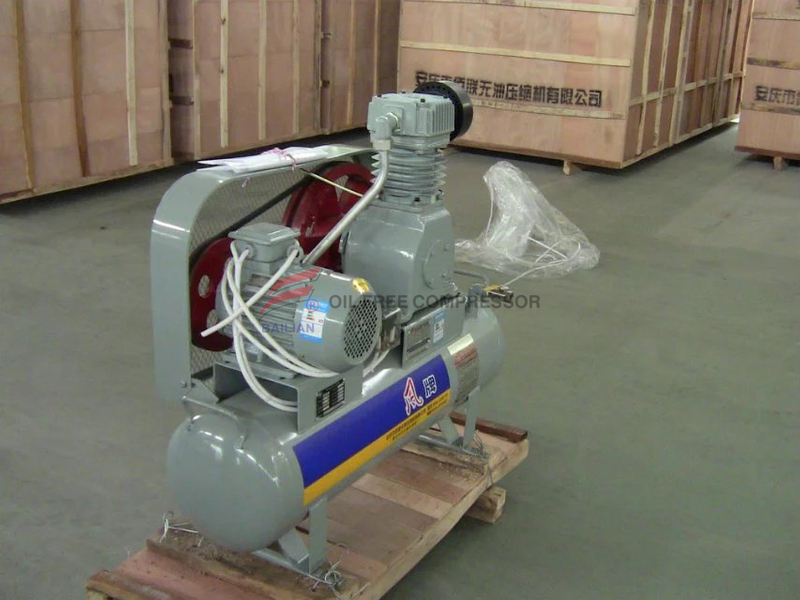
Air compressors are powerful tools that convert power into potential energy stored as pressurized air. They play a crucial role in various applications, including blowing out sprinkler systems. By generating high pressure, air compressors can effectively remove water from pipes, preventing winter damage.
Basic Functions of Air Compressors:
● Pressurizing Air: They take in air and compress it, increasing its pressure.
● Delivering Air: The compressed air is then released through hoses and attachments, providing the force needed to clear water from sprinkler lines.
When it comes to blowing out sprinkler systems, not all air compressors are created equal. Here are two main types:
1. Portable Air Compressors:
These are easy to transport and ideal for homeowners. They usually have lower power but are sufficient for residential systems. Many models are lightweight and can be moved around easily.
2. Stationary Air Compressors:
Designed for more extensive use, these compressors offer higher pressure and larger tanks. They are suitable for commercial applications where multiple zones need to be blown out simultaneously.
Type | Advantages | Disadvantages |
Portable Compressors | Easy to move, user-friendly | Lower pressure output |
Stationary Compressors | High pressure, suitable for large systems | More expensive, requires installation |
Using air compressors for winterizing sprinkler systems offers several advantages over traditional methods, such as manual draining.
Advantages of Using Air Compressors:
● Efficiency: Air compressors can quickly blow out water, saving time compared to manually draining each zone.
● Thoroughness: They ensure that even hard-to-reach areas are cleared of water, reducing the risk of freezing.
Importance of Oil-Free Air Compressors:
Oil-free air compressors are particularly beneficial for this task. They prevent oil from contaminating the water lines, which could lead to clogged sprinkler heads and damage to the system.
When considering reliable options, Bailian Compressors stands out. Their oil-free designs are known for durability and efficiency, making them a popular choice for homeowners and professionals alike.
By understanding the role of air compressors in the blow-out process, you can make informed decisions about the best equipment for your sprinkler system maintenance.
Before starting the blow-out process, gathering the right equipment is essential. Here’s a list of necessary items that will ensure a smooth operation:
● Air Compressor: Choose one with a recommended CFM (Cubic Feet per Minute) rating of at least 4-5 CFM for effective water removal.
● Blow-Out Adapter: This device connects the air compressor to your sprinkler system, allowing for efficient air flow.
● Safety Gear: Always wear gloves and goggles to protect yourself from debris and pressurized air.
Essential Equipment Checklist:
Equipment | Purpose |
Air Compressor | Provides the necessary pressure to blow out water. |
Blow-Out Adapter | Ensures a secure connection to the sprinkler system. |
Safety Gear | Protects against potential hazards during the process. |
Selecting the right air compressor is crucial for effectively blowing out your sprinkler system. Here are some factors to consider:
1. Size: The compressor should be portable enough for easy movement, especially if you have a large yard.
2. Pressure Capacity: Ensure it can reach the necessary PSI (pounds per square inch) to clear out the water without damaging the pipes.
Recommended Models:
For various needs, here are two excellent options:
● Bailian G2W-36/300A: This model is perfect for high-pressure requirements, making it suitable for larger systems or commercial use.
● Bailian WW Series: Ideal for low-pressure applications, this model works well for residential systems where less force is needed.
By preparing with the right tools and selecting an appropriate air compressor, you'll set yourself up for success in winterizing your sprinkler system. This preparation ensures that the blow-out process is not only effective but also safe.
The first step in winterizing your sprinkler system is to locate and turn off the main water supply. This is typically found near your water meter or where the irrigation lines enter your home. Look for a valve that can be turned clockwise to shut off the water flow completely. Once the water is turned off, it’s crucial to drain the system to prevent any remaining water from freezing.
After shutting off the water supply, you need to relieve the pressure in the system. To do this, activate the furthest zone of your sprinkler system. This can usually be done through your timer or controller. By running this zone, you’ll allow any residual water to drain out. It’s important to watch for water flow to ensure that the system is completely emptied.
Now it’s time to connect the air compressor to your sprinkler system. Begin by attaching the blow-out adapter to the compressor’s output. Then, securely connect the other end to the sprinkler system's main line. Make sure these connections are airtight to prevent any loss of pressure during the blow-out process. A loose connection can lead to inefficiency and inadequate water removal.
Adjusting the air compressor’s pressure settings is vital for effective blow-out. For most PVC and polyethylene pipes, a pressure setting of 30 to 50 PSI is recommended. Higher pressures can damage the pipes, so it’s essential to find the right balance. Check the compressor’s manual for specific guidance on pressure settings to ensure you’re within safe limits.
With everything set up, you can begin blowing out each zone of your sprinkler system. Start with the zone closest to the compressor and work your way outwards. This method ensures that all water is effectively removed. Monitor the flow of air and water; you should see a mix of water and air coming out of the sprinkler heads initially, followed by just air. This indicates that the zone is clear.
Once all zones have been blown out, it’s time to safely turn off the air compressor. Disconnect the hoses carefully to avoid any residual pressure. After disconnecting, store the compressor in a dry place to prevent damage. Finally, ensure that all valves are closed and the system is prepared for winter. This simple maintenance step will save you from costly repairs when spring arrives.
Step | Action |
Shut Off Water Supply | Locate and turn off the main valve. |
Relieve Pressure | Activate the furthest zone to drain water. |
Connect Air Compressor | Attach the blow-out adapter securely. |
Set Pressure | Adjust to recommended PSI for your pipes. |
Blow Out Each Zone | Work from the closest zone to the farthest. |
Final Checks | Turn off the compressor and store it properly. |
Following these steps will ensure your sprinkler system is properly winterized, protecting it from freezing temperatures and extending its lifespan.
When using air compressors for blowing out your sprinkler system, safety should always be a top priority. Wearing the right safety gear can significantly reduce the risk of injury. Here are the essentials:
● Safety Glasses: Protect your eyes from debris and potential projectiles that may be expelled during the blow-out process. Flying particles can cause serious injuries.
● Ear Protection: Air compressors can be loud, and prolonged exposure to high noise levels can lead to hearing damage. Use earplugs or noise-cancelling headphones to safeguard your hearing.
In addition to wearing safety gear, following some common safety practices can help ensure a safe operation. Here are a few important tips to keep in mind:
● Avoid Standing Over Sprinkler Heads: When the air compressor is in use, stay clear of the sprinkler heads. The pressurized air can cause any remaining water or debris to shoot out unexpectedly.
● Check Manufacturer’s Guidelines: Always refer to the manufacturer’s guidelines for both your air compressor and sprinkler system. These documents provide valuable information on safe operating procedures and recommended pressure settings.
Safety Checklist:
Safety Gear | Purpose |
Safety Glasses | Protects eyes from debris and projectiles. |
Ear Protection | Prevents hearing damage from loud noises. |
By adhering to these safety considerations, you create a safer working environment while using air compressors. Taking these precautions not only protects you but also ensures that the blow-out process is efficient and effective.

If you notice that water remains in your sprinkler system after attempting to blow it out, don’t panic. There are several steps you can take to identify and address any blockages that may be preventing complete drainage.
1. Check for Blockages: Start by inspecting the sprinkler heads and valves. Sometimes, debris can clog these components, preventing water from flowing out. Remove any visible dirt or obstructions.
2. Use Compressed Air Effectively: If blockages are suspected, use the air compressor to blow air through the affected zones again. This might help dislodge any trapped water or debris.
3. Activate Each Zone Individually: Ensure you are activating each zone one at a time. This allows for more focused air pressure and can help push out any remaining water.
Blockage Identification Tips:
Signs of Blockages | Actions to Take |
Sprinkler Heads Not Spraying | Check for clogs and clear them. |
Water Pooling in Zones | Use the air compressor to blow out the zone again. |
If your air compressor is not building pressure, it can hinder the blow-out process. Here are some possible causes and solutions to get it back on track:
1. Check the Power Supply: Ensure the compressor is plugged in and that the outlet is functioning. Sometimes, a simple power issue can stop it from operating correctly.
2. Inspect the Hose and Connections: Look for any leaks or damage in the air hoses. A compromised hose can lead to air loss, preventing the compressor from building pressure effectively.
3. Review the Pressure Settings: Make sure the pressure settings on the compressor are correctly adjusted. If they're set too low, the compressor won’t reach the necessary pressure to blow out the system.
Common Compressor Issues:
Issue | Possible Causes | Solutions |
Not Building Pressure | Power supply issues | Check outlet and power connection. |
Leaks in hoses | Inspect hoses for damage and replace if needed. | |
Incorrect pressure settings | Adjust settings to recommended levels. |
By following these troubleshooting tips, you can resolve common issues that may arise during the blow-out process. Keeping your air compressor and sprinkler system in good working order ensures effective winterization.
Blowing out your sprinkler system is crucial for winter protection. It prevents damage from freezing temperatures. Using air compressors makes this process efficient and effective.
Consider investing in a reliable air compressor, such as those from Bailian, to meet your maintenance needs. Proper equipment ensures your system remains in top condition year-round.