
- All
- Product Name
- Product Keyword
- Product Model
- Product Summary
- Product Description
- Multi Field Search

Views: 0 Author: Site Editor Publish Time: 2025-12-04 Origin: Site


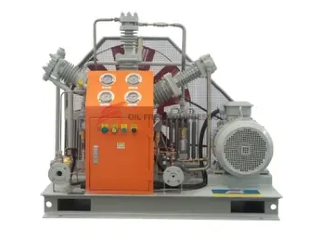
The manufacturing and industrial sectors have long relied on nitrogen as an essential gas for a variety of processes, including inerting, cooling, blanketing, and pressurizing. To meet the growing demands for high-quality and efficient nitrogen delivery, the nitrogen compressor industry has undergone significant advancements over the years. These innovations have not only improved the performance of nitrogen compressors but have also made them more energy-efficient, cost-effective, and adaptable to changing industry requirements.
As industries continue to evolve, so too does the technology that powers them. In this article, we will explore the latest innovations in nitrogen compressor technology, discuss the current trends driving these changes, and examine what the future holds for the industry.
Before delving into the technological innovations, it is important to understand what a nitrogen compressor is and how it functions. A nitrogen compressor is a mechanical device designed to compress nitrogen gas, typically extracted from ambient air, and deliver it at a higher pressure. This high-pressure nitrogen is used in a wide range of industrial applications, from food packaging and pharmaceutical manufacturing to chemical production and electronics assembly.
Nitrogen compressors are typically powered by electric motors or engines and can be built in various configurations, including reciprocating, screw, centrifugal, and diaphragm compressors. The technology behind these compressors has evolved over the years, with improvements in energy efficiency, maintenance, and overall reliability.
The demand for nitrogen in industries such as food preservation, chemical processing, and electronics manufacturing has spurred innovations in compressor technology. Below are some of the key trends and technological advancements currently shaping the industry.
Energy consumption is one of the biggest costs associated with operating nitrogen compressors. As energy prices continue to rise and companies strive to meet sustainability goals, improving energy efficiency has become a major focus for compressor manufacturers. New developments in compressor design and technology have led to significant improvements in energy efficiency.
One of the most notable innovations in this area is the introduction of variable speed drives (VSDs) in compressors. VSDs adjust the motor speed to match the demand for nitrogen, rather than operating at full capacity all the time. This leads to a significant reduction in energy consumption, especially during periods of low demand.
Another important development is the use of oil-free compressors, which eliminate the need for lubricating oils. Oil-free compressors reduce the risk of contamination and improve energy efficiency, as they do not require the energy-intensive process of oil circulation and filtering.
Future Outlook: The future of nitrogen compressors will likely see further advancements in smart systems that monitor and adjust the energy consumption based on real-time demand. The integration of Internet of Things (IoT) technology will allow compressors to communicate with other systems, optimizing energy use and reducing waste.
For industries that rely on nitrogen, such as pharmaceuticals, food packaging, and chemical manufacturing, downtime is costly. As a result, there is a growing demand for nitrogen compressors that are not only more efficient but also more reliable.
Recent advancements in compressor materials and designs have significantly improved the reliability and lifespan of nitrogen compressors. For example, manufacturers are now using corrosion-resistant materials for critical components like the compressor heads and valves, which helps improve the durability of the equipment, especially in harsh environments.
Moreover, the introduction of advanced monitoring systems has enabled real-time performance tracking. Sensors and automated diagnostic tools can detect issues before they cause a failure, allowing for predictive maintenance rather than reactive repairs. This reduces downtime, extends the life of the compressor, and lowers maintenance costs.
Future Outlook: As the demand for high-reliability systems continues to grow, it is likely that we will see even more advanced predictive maintenance systems that rely on artificial intelligence (AI) and machine learning to predict and prevent potential failures before they occur. Additionally, self-healing technologies might become a reality, where compressors automatically detect and correct minor issues.
The integration of nitrogen compressors with nitrogen generation systems (such as Pressure Swing Adsorption (PSA) and membrane separation technologies) has become increasingly common. Rather than relying on external nitrogen gas supply, many businesses are opting for on-site nitrogen generation. These systems extract nitrogen from ambient air and compress it for use in various applications.
The latest nitrogen generation systems are more compact and modular, allowing businesses to scale up or down depending on their nitrogen demand. By combining nitrogen generation with compression technology, these integrated systems offer businesses a continuous, on-demand nitrogen supply that is both cost-effective and environmentally friendly.
Future Outlook: As nitrogen generation technology continues to evolve, we can expect even greater integration between compressors and generators. New modular systems will offer businesses more flexibility, enabling them to adjust nitrogen production based on real-time needs and further optimize energy consumption.
The rise of Industry 4.0 and IoT technology has impacted nearly every sector, and the nitrogen compressor industry is no exception. Smart nitrogen compressors are becoming increasingly popular, offering enhanced monitoring, control, and efficiency features. These systems collect data on compressor performance and other operational parameters, allowing businesses to monitor their compressors remotely.
With IoT connectivity, companies can track real-time data such as pressure levels, flow rates, energy consumption, and maintenance schedules. This data can be accessed through web-based dashboards or mobile applications, enabling operators to make informed decisions and improve operational efficiency.
Future Outlook: The future of nitrogen compressor technology will likely involve advanced connectivity and automation. AI-powered analytics will enable compressors to make real-time adjustments based on operational data, ensuring optimal performance and reducing unnecessary energy consumption. Additionally, more cloud-based solutions will allow businesses to monitor and control their compressor systems from anywhere in the world.
As global awareness of environmental issues increases, industries are under pressure to reduce their carbon footprint. Nitrogen compressor manufacturers are responding by designing equipment that is more environmentally sustainable.
The shift towards oil-free compressors is one of the major innovations driving sustainability in the industry. These compressors eliminate the need for lubricating oils, which can be harmful to the environment if not disposed of properly. Additionally, oil-free compressors require less energy to operate, further reducing their environmental impact.
Moreover, nitrogen compressors are becoming more resource-efficient, with many systems designed to recover and reuse heat produced during compression. This recovered heat can be used for other processes, such as pre-heating the air intake or warming the nitrogen gas before use, making the system more energy-efficient.
Future Outlook: As environmental regulations become stricter, nitrogen compressor manufacturers will continue to prioritize sustainability. We can expect to see more closed-loop systems that recycle energy and waste products, reducing emissions and improving overall energy efficiency. Additionally, green technologies, such as using alternative refrigerants for cooling and further reducing oil consumption, will likely play a larger role in the development of future compressor systems.
As industries seek to optimize space in their facilities, there has been an increased demand for modular and compact nitrogen compressor systems. These systems offer the flexibility to expand or contract nitrogen supply depending on changing demands, without requiring a major overhaul of equipment.
Modular nitrogen compressors can be integrated with other equipment in a streamlined configuration, saving valuable floor space and reducing installation costs. The ability to easily add or remove compressor units makes these systems ideal for industries that experience fluctuations in nitrogen demand.
Future Outlook: The trend toward compact and modular systems will continue to grow, especially in industries where space is limited, such as in laboratories, small-scale manufacturing, and pharmaceutical production. As technologies advance, these systems will become even more space-efficient and flexible, allowing businesses to adjust nitrogen production to their exact needs.
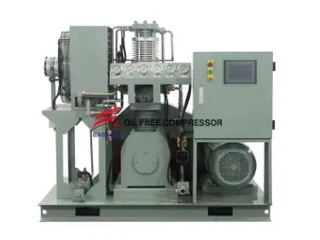
The nitrogen compressor industry is poised for continued innovation. As the need for more efficient, cost-effective, and sustainable nitrogen solutions grows, compressor technology will evolve to meet these demands. Some of the key future trends and innovations include:
Integration with Renewable Energy: As more businesses shift to renewable energy sources, nitrogen compressors will increasingly be powered by solar, wind, or other clean energy sources, reducing the overall environmental impact of nitrogen production.
Advanced Automation: The integration of AI and machine learning will allow nitrogen compressors to optimize their performance in real time, adjusting to changing conditions and maximizing energy efficiency.
Energy Storage and Recovery: New systems will be developed to capture and store excess energy generated during compression, allowing for its reuse in other parts of the process, further enhancing energy efficiency.
Innovations in nitrogen compressor technology are transforming the way industries generate, store, and use nitrogen. From energy efficiency improvements and enhanced reliability to smart systems and environmental sustainability, the future of nitrogen compressors is both exciting and promising.
As the demand for more efficient, cost-effective, and sustainable nitrogen solutions grows, businesses must stay ahead of technological advancements to remain competitive. By adopting the latest compressor technologies, companies can reduce energy consumption, improve operational efficiency, and meet the increasing demands for high-purity nitrogen across various industries.
In this evolving landscape, staying informed and investing in the right technology will be key to success. Whether you’re looking to enhance energy efficiency, improve performance, or reduce environmental impact, the future of nitrogen compressor technology offers opportunities for businesses to thrive.