
- All
- Product Name
- Product Keyword
- Product Model
- Product Summary
- Product Description
- Multi Field Search

Views: 0 Author: Site Editor Publish Time: 2025-12-02 Origin: Site


A nitrogen compressor plays a crucial role in various industrial applications, from food packaging and pharmaceuticals to electronics manufacturing and chemical processing. These machines ensure that nitrogen, an inert gas used for purging, cooling, and preserving products, is always available at the right pressure and purity. However, like any piece of equipment, a nitrogen compressor requires regular maintenance to ensure its continued performance and to maximize its lifespan.
Proper maintenance can prevent breakdowns, reduce downtime, and increase the overall efficiency of your nitrogen compressor. In this article, we will explore the importance of maintaining your nitrogen compressor, provide practical tips for keeping it in optimal condition, and discuss the benefits of proper care.
Before diving into the specific maintenance tips, it's important to understand why maintaining your nitrogen compressor is so crucial. Here are some key reasons:
A well-maintained compressor runs smoothly, providing a steady supply of nitrogen without interruptions. If the compressor isn’t maintained properly, it can experience fluctuations in pressure or fail to meet the required nitrogen purity, which can disrupt your production process.
Unplanned downtime due to compressor failure can be costly, both in terms of lost production and repair costs. Regular maintenance helps identify potential issues before they cause a breakdown, ensuring your operations continue without interruption.
A compressor that is well-maintained operates more efficiently, which helps reduce energy consumption. Compressors that aren’t functioning properly tend to consume more energy, raising operational costs. Routine checks and cleanings can prevent such inefficiencies.
Just like any mechanical equipment, nitrogen compressors have a finite lifespan. Proper care and maintenance can help extend this lifespan, ensuring that your compressor continues to function optimally for years to come.
Certain industries, such as pharmaceuticals and electronics, require nitrogen at high purity levels. If your compressor isn’t properly maintained, it may struggle to meet these purity requirements, leading to product defects and potential safety hazards.
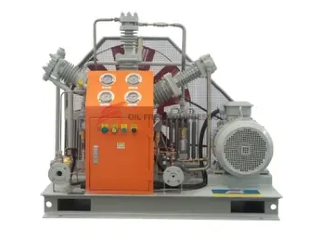
Now that we understand the importance of maintenance, let’s dive into some of the key maintenance tasks that will help keep your nitrogen compressor running efficiently.
Air filters are one of the most crucial components of a nitrogen compressor. They prevent dust, dirt, and other contaminants from entering the compressor system. Over time, these filters can become clogged, reducing airflow and efficiency.
Maintenance Tip: Check the air filters regularly—typically every 250 to 500 hours of operation—and clean or replace them as needed. If the compressor is located in a particularly dusty environment, you may need to check the filters more often. Clean filters allow the compressor to operate more efficiently and reduce the risk of damage to internal components.
Many nitrogen compressors, particularly reciprocating and screw types, rely on oil for lubrication. Oil helps reduce friction and wear on moving parts, ensuring the compressor runs smoothly. Over time, the oil can degrade, losing its effectiveness and potentially leading to damage.
Maintenance Tip: Check the oil level regularly, following the manufacturer’s guidelines. Be sure to replace the oil at the recommended intervals, and always use the type of oil specified by the manufacturer. Additionally, keep an eye on the oil’s condition; if it appears contaminated or excessively dark, it may need to be replaced sooner.
The pressure relief valve is a safety feature designed to protect the compressor from excessive pressure buildup, which could lead to catastrophic failure. Over time, the valve can become clogged or worn, causing it to malfunction.
Maintenance Tip: Test the pressure relief valve regularly to ensure it is functioning properly. Follow the manufacturer’s instructions for testing and cleaning. If the valve is damaged or malfunctioning, it should be replaced immediately to avoid potential safety risks.
A nitrogen compressor generates heat during operation, and most compressors have a cooling system in place to prevent overheating. If the cooling system is not functioning correctly, the compressor could overheat, causing premature wear or failure of internal components.
Maintenance Tip: Regularly inspect and clean the cooling system, including the cooling fins, fans, and cooling coils. Dust and debris can accumulate in these areas, reducing their efficiency. Clean these components using compressed air or a soft brush to ensure optimal cooling performance.
The seals in a nitrogen compressor help contain pressure and prevent nitrogen from leaking. Over time, seals can become worn or damaged, leading to reduced performance or leaks.
Maintenance Tip: Inspect the seals regularly for signs of wear, cracking, or leakage. Pay close attention to the piston seals, valve seals, and flange seals, as these areas are particularly susceptible to wear. Replace any damaged seals promptly to maintain performance and prevent costly leaks.
Compressor systems contain numerous moving parts that require regular lubrication to ensure smooth operation. Lack of lubrication can cause excessive wear, leading to mechanical failure and reduced efficiency.
Maintenance Tip: Lubricate the moving parts as recommended by the manufacturer. If your nitrogen compressor is equipped with an automatic lubrication system, ensure that it is functioning correctly. For compressors without an automatic system, apply lubricant to the necessary parts according to the manufacturer’s instructions.
For industries where high-purity nitrogen is essential (e.g., pharmaceuticals, electronics), regularly checking the nitrogen purity is vital. If the compressor is not maintaining the required purity levels, it could impact the quality of the final product.
Maintenance Tip: Test the nitrogen purity regularly using specialized equipment to ensure that the compressor is meeting the required standards. If nitrogen purity is lower than expected, it could indicate a problem with the filtration or separation process, and further inspection or servicing may be necessary.
The pressure and temperature gauges on your nitrogen compressor provide essential data for monitoring the system’s performance. Faulty or inaccurate gauges can lead to improper operation and even damage to the compressor.
Maintenance Tip: Periodically check the gauges for accuracy and ensure they are functioning properly. If the readings are inconsistent or unreliable, consider recalibrating or replacing the gauges to avoid misdiagnosing potential issues with the system.
Leaks in the system can lead to a loss of compressed nitrogen, reducing efficiency and increasing costs. Leaks can also compromise the compressor’s ability to deliver nitrogen at the required pressure.
Maintenance Tip: Regularly inspect the compressor and associated piping for signs of leaks. Use a soapy water solution to check for bubbles around connections, valves, and fittings. Tighten loose connections or replace damaged components as necessary to prevent leaks.
While routine maintenance is essential, it’s also a good idea to schedule professional inspections of your nitrogen compressor. Trained technicians can identify issues that may not be immediately obvious and provide expert advice on extending the lifespan of the compressor.
Maintenance Tip: Schedule a professional inspection at least once a year, or more often if the compressor is used heavily. Regular inspections by a certified technician can help catch potential problems early and prevent expensive repairs down the road.
Maintaining your nitrogen compressor offers numerous benefits that go beyond just keeping the equipment running:
Increased Efficiency: A well-maintained compressor operates more efficiently, which means it uses less energy and reduces operational costs.
Cost Savings: Regular maintenance helps prevent costly breakdowns, repairs, and premature replacements, ultimately saving you money in the long term.
Extended Lifespan: Proper care can significantly extend the lifespan of your compressor, ensuring that you get the most value out of your investment.
Improved Product Quality: For industries that rely on high-purity nitrogen, maintaining the compressor ensures that the required nitrogen purity levels are met, resulting in higher-quality products.
Enhanced Safety: Regular checks on safety features, such as the pressure relief valve, help avoid potential safety hazards, ensuring a safe working environment.
Proper maintenance of your nitrogen compressor is essential to ensuring that your equipment operates at peak performance. By following the tips outlined in this article, such as regularly checking air filters, monitoring oil levels, inspecting seals, and maintaining the cooling system, you can ensure that your compressor performs optimally, reduces downtime, and has a long lifespan.
Routine maintenance not only improves the efficiency and reliability of your compressor but also helps maintain the purity of the nitrogen and supports the safety of your operation. Remember, regular inspections and professional servicing are key to identifying problems early and preventing costly repairs.
With the right care, your nitrogen compressor will continue to serve your business effectively for years, helping you maintain consistent nitrogen supply and ensure smooth production processes.