
- All
- Product Name
- Product Keyword
- Product Model
- Product Summary
- Product Description
- Multi Field Search



Have you ever wondered how industries power their tools and machinery? Air compressors are the unsung heroes behind this process.
In this article, we will define air compressors and explore their significance across various sectors.
You'll learn about how they work, their applications, and why they're essential for efficiency and productivity.
Air compressors are mechanical devices that convert power into potential energy stored in compressed air. This process involves drawing in ambient air, compressing it, and then storing it for later use. They come in various types, including reciprocating, rotary screw, and centrifugal compressors, each serving different needs across industries.
Air compressors play a critical role in many sectors. Here are some key areas where they are indispensable:
● Manufacturing: They power pneumatic tools, enabling efficient assembly lines.
● Construction: Air compressors are essential for operating heavy-duty equipment like jackhammers and nail guns.
● Food and Beverage: Clean, oil-free air is crucial for packaging and processing, ensuring safety and quality.
● Medical: In hospitals, air compressors provide clean air for surgical tools and respiratory equipment.
Industry | Application |
Manufacturing | Pneumatic tools, assembly lines |
Construction | Heavy-duty equipment, nail guns |
Food and Beverage | Packaging, processing |
Medical | Surgical tools, respiratory equipment |
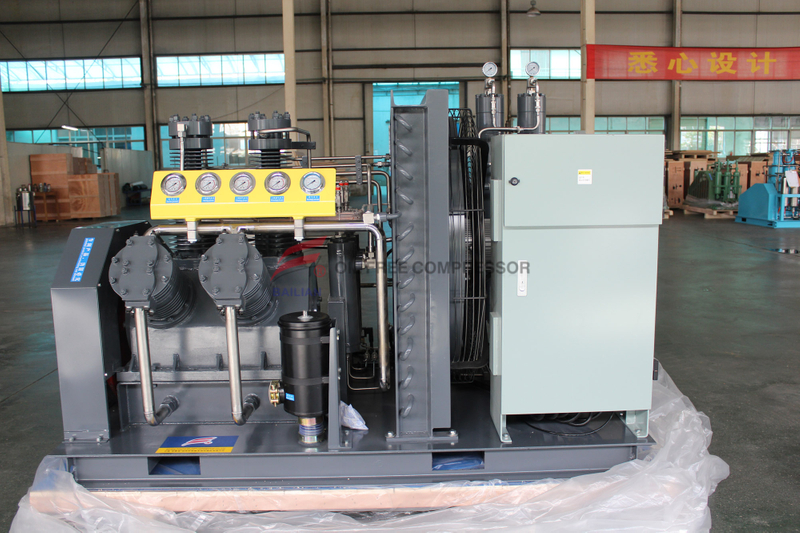
Air compressors operate through a straightforward yet effective process. There are four primary stages involved: Intake, Compression, Storage, and Release.
1. Intake: The compressor draws in ambient air through an inlet valve. Often, this air passes through a filter to remove dust and contaminants, ensuring cleaner output.
2. Compression: The internal mechanism, whether it's a piston or rotor, reduces the air's volume. This action significantly increases the air's pressure, preparing it for storage.
3. Storage: The compressed air is stored in a reservoir tank. This tank holds the air until it is needed, providing a steady supply for various applications.
4. Release: When a tool or machine requires air, the stored air is released through a discharge valve. It expands rapidly, providing the necessary energy to power tools or equipment.
Air compressors come in various types, each designed for specific applications. Here’s a look at the most common types:
Reciprocating compressors are among the most widely used types. They utilize a piston driven by a crankshaft to compress air. The symmetric crank-rod mechanical system allows for efficient operation.
● Common Uses: These compressors are often found in workshops, automotive repair shops, and small manufacturing facilities. They are ideal for tasks requiring high pressure.
● Sealing: These compressors use self-lubricating materials, like PTFE, to ensure that no external oil contaminates the compressed air. This feature is crucial for industries where air purity is essential.
Rotary screw compressors operate using two interlocking helical screws. They continuously trap and compress air, making them suitable for high-demand applications.
● Ideal Applications: These compressors are perfect for large-scale industrial operations, such as manufacturing plants, where constant airflow is needed.
Centrifugal compressors use a high-speed rotating impeller to accelerate air. This design creates pressure by slowing down the air in a diffuser.
● Overview: They are typically used in applications requiring massive volumes of air, such as chemical plants or refineries. Their efficiency makes them suitable for continuous operation.
Scroll compressors feature two spiral vanes—one stationary and one orbiting. This design compresses air smoothly and quietly, which is ideal for specific applications.
● Features: They are known for their energy efficiency and low noise levels, making them popular in medical and HVAC systems.
Type of Compressor | Key Features | Typical Applications |
Reciprocating (Piston) | High pressure, versatile | Workshops, automotive repair |
Rotary Screw | Continuous operation, high efficiency | Manufacturing plants |
Centrifugal | High-speed operation, large volume | Chemical plants, refineries |
Scroll | Quiet, energy-efficient | Medical, HVAC |
Understanding how air compressors work and the different types available helps us appreciate their role in various industries. Each type has unique features that cater to specific needs, making air compressors versatile tools in our modern world.
The intake valve is the first point of contact in the air compression process. It plays a critical role by allowing ambient air to enter the compressor. When the compressor starts, the intake valve opens, enabling air to flow in. This valve must function properly to ensure a steady supply of air, as any blockage can lead to inefficiencies.
● Importance: A well-functioning intake valve ensures that the air entering the system is clean and free from contaminants. This is vital for maintaining the quality of compressed air, especially in sensitive applications like food processing or medical equipment.
The compression chamber is where the magic happens. This chamber houses the mechanism responsible for compressing the air. Depending on the type of compressor, this can be a piston or a rotor.
● Piston Mechanism: In reciprocating compressors, a piston moves up and down within a cylinder. As the piston descends, it creates a vacuum that draws in air. When it ascends, it compresses the air, increasing its pressure.
● Rotary Mechanism: In rotary compressors, two helical screws rotate together to compress the air continuously. This design allows for smooth operation and is ideal for high-demand applications.
The reservoir tank serves as the storage unit for compressed air. After the air is compressed, it flows into this tank, where it is stored until needed.
● Purpose: The tank helps to maintain a consistent supply of compressed air, allowing tools and machines to operate efficiently. It also acts as a buffer, accommodating fluctuations in air demand.
● Significance: A larger reservoir can store more air, which means less frequent cycling of the compressor. This can lead to energy savings and prolonged equipment life.
Component | Function | Importance |
Intake Valve | Allows air to enter the compressor | Ensures clean air supply |
Compression Chamber | Compresses air using pistons or rotors | Increases air pressure for effective use |
Reservoir Tank | Stores compressed air | Provides consistent air supply |
Discharge Valve | Releases compressed air | Controls airflow to tools and machines |
The discharge valve is the final component in the air compression cycle. Once the air is compressed, this valve opens to release the air from the reservoir tank.
● Role: It regulates the flow of compressed air to various tools and equipment. A properly functioning discharge valve ensures that air is delivered at the right pressure and volume, which is crucial for the effective operation of pneumatic tools.
● Efficiency: If the discharge valve malfunctions, it can lead to pressure loss or excessive air leakage, reducing overall system efficiency.
Understanding these key components helps us appreciate how air compressors function. Each part plays a vital role in ensuring that compressed air is generated, stored, and delivered efficiently for various applications.
Air compressors are essential in various industries, providing the power needed for numerous applications. Here’s an overview of key sectors where air compressors play a vital role:
● Manufacturing: In factories, air compressors power pneumatic tools and machinery, enhancing productivity. They are used for tasks like assembly, painting, and material handling.
● Automotive: In automotive shops, air compressors are crucial for operating tools such as impact wrenches and spray guns. They help in tasks ranging from tire inflation to bodywork painting.
● Construction: On construction sites, air compressors drive heavy equipment like jackhammers and nail guns, making them indispensable for building projects.
Industry | Specific Applications |
Petrochemical | Powering tools for refining and processing |
Textile | Operating sewing machines and dyeing equipment |
Food | Packaging, processing, and refrigeration |
Medicine | Supplying air for surgical tools and devices |
Electricity | Assisting in power generation and maintenance |
Machinery | Driving various manufacturing processes |
Metallurgy | Supporting metal fabrication and treatment |
Environmental | Operating equipment for waste management |
Air compressors also have significant commercial applications. Various businesses rely on them to enhance efficiency and productivity:
● Retail: Many retail stores use air compressors for cleaning purposes, ensuring a tidy and inviting shopping environment. They also power tools for setting up displays.
● Food and Beverage: In restaurants and food processing plants, air compressors help with packaging and maintaining hygiene. They ensure that food products are sealed and preserved properly.
● Healthcare: In hospitals and clinics, air compressors are vital for operating medical devices, including respiratory equipment and surgical tools. Clean, compressed air is essential for patient safety.
Air compressors are not just for industries; they also have many applications in homes. Here are a few common uses:
● DIY Projects: Hobbyists often use air compressors for painting, sanding, and other home improvement tasks. They provide a convenient power source for various tools.
● Inflating Tires: Air compressors make it easy to inflate tires for cars, bicycles, and sports equipment. Having a compressor at home can save time and effort.
● Powering Tools: Many homeowners use air compressors to power pneumatic tools like nail guns and staplers, making DIY projects more efficient.
Application | Common Uses |
DIY Projects | Painting, sanding, and woodworking |
Tire Inflation | Cars, bicycles, and sports equipment |
Powering Tools | Nail guns, staplers, and airbrushes |
Air compressors are versatile tools that serve various purposes across industries, businesses, and households. Their ability to provide reliable compressed air makes them invaluable in many scenarios, from complex industrial processes to simple home tasks. Understanding these applications helps us appreciate the essential role air compressors play in our daily lives.
Air compressors significantly enhance operational efficiency across various industries. By providing a reliable source of compressed air, they enable tools and machinery to operate at peak performance. This leads to faster production times and higher output. For instance, in manufacturing, air compressors can power multiple pneumatic tools simultaneously, reducing downtime and streamlining workflows.
● Increased Speed: Tasks that would typically take longer can be completed more quickly, allowing businesses to meet tight deadlines.
● Reduced Downtime: With a consistent supply of compressed air, equipment can run continuously, minimizing interruptions in operations.
One of the standout features of air compressors is their versatility. They can be used in countless applications across different sectors, making them invaluable tools in both industrial and commercial settings.
● Wide Range of Uses: From powering heavy machinery in construction to operating small tools in home workshops, air compressors adapt to various needs.
● Multi-Functional: They can be utilized for inflating tires, spraying paint, and even running HVAC systems, showcasing their broad applicability.
Sector | Applications |
Manufacturing | Powering assembly lines and pneumatic tools |
Automotive | Operating impact wrenches and tire inflators |
Construction | Driving nail guns and jackhammers |
Food and Beverage | Packaging and food processing |
Investing in air compressors can lead to significant long-term savings. While the initial cost may seem high, the benefits far outweigh the expenses.
● Reduced Labor Costs: By automating tasks and increasing efficiency, businesses can lower labor costs. Employees can focus on more critical tasks rather than manual labor.
● Lower Energy Consumption: Modern air compressors are designed to be energy-efficient, which can result in reduced utility bills over time.
Air compressors contribute to maintaining high product quality through rigorous testing. Many compressors undergo extensive evaluations, including 2000-3000 hours of continuous working condition tests. This ensures that they can handle demanding environments without compromising performance.
● Reliability: Products tested under these conditions are less likely to fail during operation, ensuring consistent quality.
● Durability: High-quality air compressors are built to last, reducing the need for frequent replacements.
When time is of the essence, air compressors excel in fast delivery compared to competitors. Many manufacturers can provide quick turnaround times, ensuring that businesses receive their equipment when they need it most.
● Urgent Needs: For industries where downtime can be costly, having access to reliable air compressors quickly is essential.
● Efficient Supply Chain: Streamlined logistics allow for rapid deployment, helping businesses maintain their operational flow.
Benefit | Description |
Efficiency | Enhanced productivity and reduced downtime |
Versatility | Wide range of applications across sectors |
Cost-Effectiveness | Long-term savings and reduced labor costs |
High Product Quality | Rigorous testing ensures reliability |
Fast Delivery | Quick turnaround times for urgent needs |
Air compressors offer numerous benefits that enhance efficiency, versatility, and overall operational effectiveness. Their ability to improve productivity and maintain high-quality standards makes them essential tools in various industries, ultimately leading to cost savings and better service delivery.
When selecting an air compressor, it's essential to understand a few key metrics that will influence its performance and suitability for your needs. Two of the most important metrics are PSI and CFM.
● PSI (Pounds per Square Inch): This metric measures the pressure of the compressed air. Different applications require different pressure levels. For example, pneumatic tools typically operate between 70 and 90 PSI. Knowing the required PSI for your tools helps ensure that the compressor can deliver adequate pressure for efficient operation.
● CFM (Cubic Feet per Minute): CFM indicates the airflow rate produced by the compressor. It’s crucial for determining how well the compressor can keep up with the demand of your tools or equipment. For instance, if a tool requires 4 CFM at 90 PSI, the compressor must meet or exceed this requirement to function effectively.
Metric | Description | Importance |
PSI | Measures air pressure | Ensures tools operate at optimal pressure |
CFM | Measures airflow rate | Determines if compressor can keep up with demand |
Before purchasing an air compressor, it’s vital to assess your specific needs. The intended usage—whether industrial, commercial, or home use—will dictate the type and capacity of the compressor you require.
● Industrial Use: If you’re in a manufacturing or construction environment, you’ll likely need a high-capacity compressor that can handle continuous operation and high CFM and PSI requirements. These compressors are designed for heavy-duty applications.
● Home Use: For DIY projects or light tasks like inflating tires or using small pneumatic tools, a smaller, portable compressor may suffice. These compressors usually have lower CFM and PSI ratings, making them more suitable for occasional use.
Proper maintenance is crucial for ensuring the longevity and optimal performance of air compressors. Regular upkeep can prevent costly breakdowns and extend the life of the equipment.
● Routine Checks: Regularly inspect components such as filters, belts, and oil levels. Keeping these parts in good condition can prevent operational issues down the line.
● Training Programs: Investing in skilled workforce training is essential. Employees should understand how to operate and maintain compressors properly. This knowledge can lead to better performance and fewer accidents.
Maintenance Tip | Description |
Routine Inspections | Check filters, belts, and oil levels regularly |
Cleanliness | Keep compressor and surrounding area clean |
Employee Training | Ensure staff are trained in operating and maintaining compressors |
Choosing the right air compressor involves understanding your specific requirements, evaluating key metrics, and committing to regular maintenance. By doing so, you can ensure that your compressor meets your needs efficiently and effectively, providing reliable performance for years to come.
Air compressors, while generally reliable, can encounter several common issues that may affect their performance. Identifying these problems early can save time and prevent costly repairs.
● Low Pressure: One of the most frequent complaints is low pressure. This can stem from various causes, such as a malfunctioning pressure switch, air leaks in the system, or insufficient power supply. Low pressure can hinder the performance of pneumatic tools, making it crucial to address promptly.
● Unusual Noises: If you hear strange sounds like grinding, rattling, or hissing, it may indicate underlying issues. These noises can result from loose parts, worn-out bearings, or even air leaks. Recognizing these sounds early can help prevent further damage.
● Overheating: Air compressors can overheat due to prolonged use or inadequate ventilation. Overheating can lead to shutdowns or permanent damage. It’s essential to monitor the temperature and ensure proper airflow around the unit.
Problem | Possible Causes | Symptoms |
Low Pressure | Malfunctioning pressure switch, air leaks | Tools operate inefficiently |
Unusual Noises | Loose parts, worn bearings, air leaks | Grinding, rattling, or hissing sounds |
Overheating | Prolonged use, poor ventilation | Compressor shuts down or operates poorly |
When issues arise, following a systematic approach to troubleshooting can help you diagnose and resolve problems effectively. Here’s a step-by-step guide:
1. Check the Power Supply: Ensure the compressor is plugged in and that the circuit breaker hasn’t tripped. A simple power issue can often be the culprit behind many problems.
2. Inspect for Air Leaks: Examine hoses, fittings, and connections for any signs of air leaks. You can use soapy water to identify leaks; bubbles will form at the leak points. Repair or replace damaged components as needed.
3. Test the Pressure Switch: If you suspect low pressure, test the pressure switch. Adjust it according to the manufacturer’s specifications if it’s not functioning correctly. Sometimes, a simple adjustment can restore normal pressure.
4. Monitor Temperature: If the compressor is overheating, check for adequate ventilation. Ensure it’s not placed too close to walls or other equipment. Allow it to cool down before resuming use.
5. Listen for Noises: Pay attention to any unusual sounds. If you hear grinding or rattling, turn off the compressor immediately and inspect it for loose or damaged parts.
Step | Action | Expected Outcome |
Check Power Supply | Ensure it's plugged in and circuit is intact | Compressor powers on |
Inspect for Leaks | Use soapy water on connections | Identify and fix leaks |
Test Pressure Switch | Adjust as per specifications | Restore normal pressure |
Monitor Temperature | Ensure proper ventilation | Prevent overheating |
Listen for Noises | Turn off if unusual sounds are heard | Prevent further damage |
By following these troubleshooting tips, you can effectively diagnose and resolve common issues with air compressors. Regular maintenance and prompt attention to problems will help keep your compressor running smoothly and efficiently.
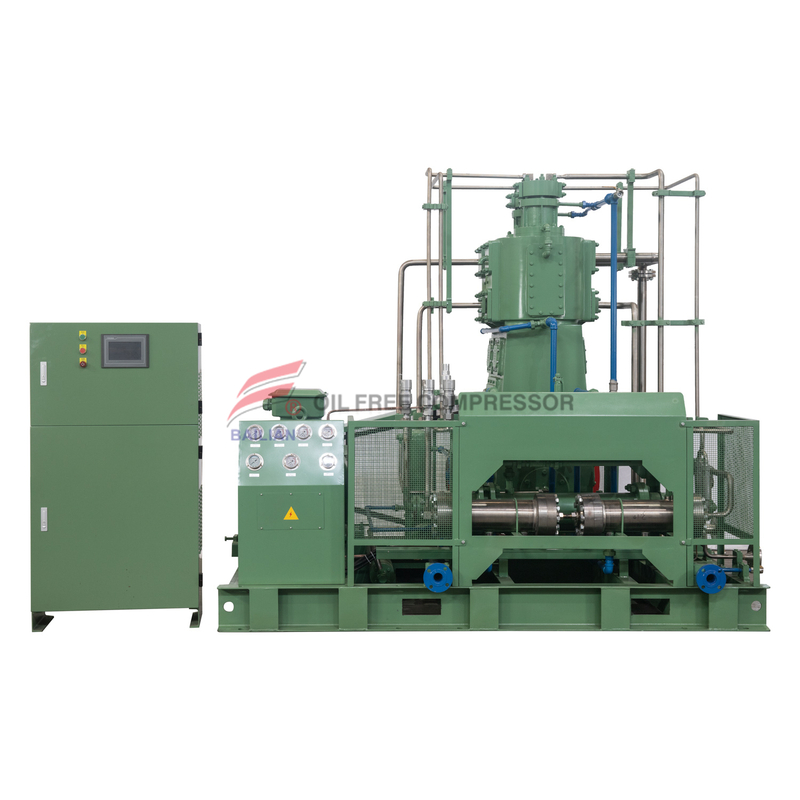
The future of air compressors is being shaped by significant technological advancements that enhance their efficiency and performance. One notable trend is the push for energy efficiency. Manufacturers are developing compressors that consume less energy while delivering the same level of performance, allowing businesses to save on operational costs.
● Automation: Another exciting innovation is the integration of automation and smart technology. Modern compressors now feature digital controls that allow for real-time monitoring and adjustments. This means users can optimize performance based on specific needs and usage patterns, leading to better energy management.
● Oil-Free Compressors: There is a growing trend toward oil-free compressors, which offer numerous environmental benefits. These compressors eliminate the need for lubricating oil, reducing the risk of contamination in applications like food and beverage processing or medical equipment.
Technological Aspect | Description | Benefits |
Energy Efficiency | Reduced energy consumption | Lower operational costs |
Automation | Smart controls for real-time adjustments | Enhanced performance and monitoring |
Oil-Free Technology | Eliminates the need for lubricating oil | Environmentally friendly and cleaner output |
As industries evolve, there is a noticeable shift in demand towards more sustainable practices. The growing preference for oil-free and environmentally friendly compressors reflects this trend. Companies are increasingly aware of their environmental impact and are seeking solutions that align with sustainability goals.
● Market Demand: The demand for oil-free compressors is rising, especially in sectors like pharmaceuticals and food processing, where contamination is a critical concern. These compressors not only meet hygiene standards but also appeal to eco-conscious consumers and businesses.
● Sustainability Initiatives: Many manufacturers are investing in research and development to create compressors that minimize environmental footprints. This includes using recyclable materials and designing units that require less energy to operate.
Industry Trend | Description | Impact |
Growing Demand | Increased preference for oil-free models | Aligns with sustainability goals |
Eco-Friendly Practices | Adoption of green technologies | Reduces environmental impact |
Research & Development | Investment in sustainable compressor designs | Promotes innovation in the industry |
The future of air compressors looks promising, driven by advancements in technology and a shift towards more sustainable practices. As industries continue to prioritize efficiency and environmental responsibility, air compressors will evolve to meet these changing needs, ensuring they remain vital tools in various applications.
Air compressors are essential tools in various industries. They provide the power needed for pneumatic tools and machinery. Understanding their types, benefits, and common issues is crucial for effective use.
Explore different air compressor options to find the best fit for your needs. Whether for industrial or home use, the right compressor can enhance efficiency and productivity.