
- All
- Product Name
- Product Keyword
- Product Model
- Product Summary
- Product Description
- Multi Field Search

Views: 0 Author: Site Editor Publish Time: 2026-08-07 Origin: Site


Generating 93% or 99% pure oxygen represents only half the battle. Maintaining this critical purity during high-pressure storage and bottling is where unseen system failures most often occur. The compression stage introduces the highest risk of contamination if you select the wrong equipment. Trace hydrocarbons, ambient moisture, and shedding particulates can easily infiltrate the gas stream during high-pressure processes. These contaminants compromise patient safety and violate strict medical gas protocols.
We must establish a rigorous evaluation framework for equipment selection. You need a medical oxygen compressor that safeguards patient health and meets stringent global standards. These standards include WHO guidelines, ISO mandates, and local Pharmacopeia requirements. This guide will walk you through ensuring operational reliability. You will learn how to identify robust purity controls and avoid disastrous mechanical failures in your facility.
Medical facilities often invest heavily in advanced oxygen generators. They use PSA or VPSA technologies to produce high-quality gas. However, gas leaves these generators at relatively low pressures. Moving this gas into storage cylinders requires immense mechanical force. The compressor must boost the gas pressure up to 300 bar. This intense physical stress creates severe contamination risks. Heat spikes occur rapidly. Friction grinds against mechanical components. If the system lacks rigorous controls, the gas quality degrades immediately.
Many operators confuse oxygen concentration with oxygen purity. We must clearly differentiate these two metrics. Concentration refers strictly to the percentage of O2 molecules in the gas mixture. Purity refers to the complete absence of harmful trace contaminants. A system might successfully output 93% oxygen concentration. However, if that same gas contains vaporized oil or carbon dust, it lacks medical purity. Patients cannot safely inhale it. Regulatory bodies will instantly reject it.
Purity drops usually stem from specific mechanical vulnerabilities. You must monitor three common failure points during the bottling process:
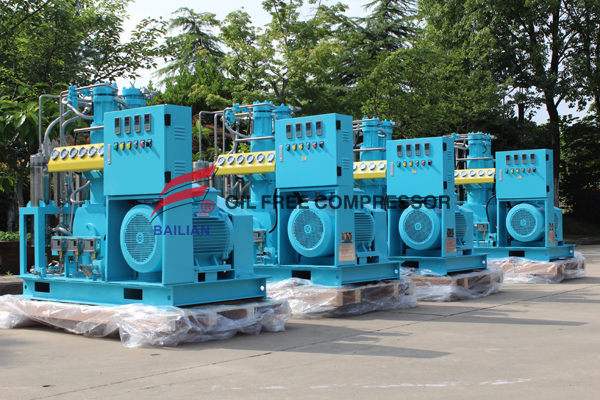
You must understand the critical difference between "oil-less" and "oil-free" designs. Many vendors market oil-less machines to healthcare facilities. Oil-less compressors still use liquid oil in their crankcases. They attempt to isolate the lubricated sections from the gas cylinders using special seals. This design inherently carries risk. If a single seal fails, oil travels up the piston rod. Hydrocarbons immediately enter the oxygen supply.
True medical bottling requires a completely oil-free architecture. These dry-running systems use absolutely no liquid lubricants anywhere in the machine. They rely on advanced friction-resistant materials instead of oil. The success criteria here are non-negotiable. You must achieve zero risk of hydrocarbon carryover. This eliminates inhalation toxicity hazards. It also removes the catastrophic ignition risks associated with high-pressure oxygen and oil mixtures.
System Architecture Comparison
| Feature | Oil-Less Architecture | 100% Oil-Free Architecture |
|---|---|---|
| Crankcase Lubrication | Uses liquid oil | No oil used |
| Hydrocarbon Risk | Moderate (depends on seal integrity) | Zero risk |
| Ignition Hazard | Present upon mechanical failure | Eliminated |
| Medical Suitability | Borderline / Requires extra filters | Highly Recommended |
When you remove liquid lubricants, the internal materials take on extreme workloads. Standard rubber seals and metal rings will melt or shatter under 300 bar of oxygen pressure. Oxygen is highly reactive. It accelerates the oxidation of standard industrial metals. Engineers must use specialized inert materials to construct the internal wetted parts.
We look for highly advanced PTFE (Polytetrafluoroethylene) compounds. Manufacturers use these compounds for piston rings and guide bands. PTFE resists oxidation completely. It maintains its structural integrity at high temperatures. Most importantly, high-grade PTFE does not shed harmful particulates into the gas stream. Evaluating these materials is vital. If a vendor uses inferior composite rings, you will experience rapid particulate shedding. This compromises your medical gas purity almost instantly.
Compression creates enormous thermal energy. As gas compresses, its temperature skyrockets. You cannot allow hot oxygen to enter a medical cylinder. Heat damages the structural integrity of the cylinder valves. It also accelerates the degradation of internal compressor seals. You must implement robust thermal management systems.
Effective machines utilize multi-stage cooling networks. They use water-cooled or air-cooled intercoolers between each compression phase. This staged approach extracts heat systematically. It prevents the internal components from exceeding safe temperature thresholds.
Cooling the gas also addresses the moisture problem. As hot gas cools down, its ability to hold water vapor drops. Condensation occurs naturally. You must integrate automated moisture separators between the compression stages. These separators physically extract liquid water from the system before it reaches the final discharge. Without them, water accumulates in your medical cylinders. This ruins the gas purity and causes internal cylinder rust.
Even with advanced PTFE materials, microscopic wear occurs over thousands of hours of operation. You must capture any mechanical wear-dust before it reaches the bottling manifold. A single filter is never sufficient. You need a comprehensive multi-stage filtration matrix.
Selecting the right equipment goes beyond technical specifications. You must carefully assess your facility's physical implementation realities. High-pressure machinery requires specific environmental conditions to operate safely. First, evaluate the physical footprint. The equipment must fit inside designated utility rooms while maintaining strict clearance zones. Technicians need easy access to all sides of the unit for safety inspections.
Next, you must address ambient cooling requirements. The room will absorb significant heat from the machinery. Inadequate room ventilation causes the equipment to overheat rapidly. You must install industrial exhaust fans or dedicated HVAC systems. Finally, assess your facility's power constraints. A heavy-duty oxygen cylinder filling compressor draws substantial electrical current. Your electrical grid must handle massive startup surges without tripping facility breakers.
You cannot compromise on medical certifications. Generic industrial compressors might share similar specifications, but they lack the necessary regulatory pedigree. You must verify that the equipment adheres strictly to Medical Gas Pipeline Systems (MGPS) standards. These standards dictate exactly how gas must be handled, cooled, and filtered.
Furthermore, the output must comply with local Pharmacopeia mandates. Organizations like the FDA or the European Medicines Agency classify medical oxygen as a prescription drug. The machinery handling this drug must carry specific safety certifications. Ask vendors for documented proof of ISO 7396-1 compliance. If they cannot provide these certificates, walk away immediately.
Buyers must adopt a highly skeptical mindset when reviewing vendor proposals. Marketing brochures often exaggerate reliability metrics. You must demand hard engineering data to verify purity controls. Always request the documented MTBF (Mean Time Between Failures) for critical components. Focus specifically on the lifespan of piston rings, guide bands, and high-pressure valves.
Additionally, you should request Material Safety Data Sheets (MSDS) for all wetted parts. Wetted parts refer to any component that physically touches the oxygen stream. The MSDS will confirm whether the materials are truly inert and medically safe. Do not accept vague terms like "high-performance plastics." Demand the exact chemical composition.
Operational downtime creates massive risks for healthcare facilities. When your cylinder filling stops, your emergency gas reserves begin to drain. You must evaluate the maintenance profile of any machine you purchase. Assess the accessibility of the internal valves and rings. Can a technician replace them in two hours, or does it require a two-day teardown?
High-wear designs lead to frequent and unpredictable downtime. They also increase the risk of human error. Every time a technician opens the machine, they risk introducing external contaminants. Prioritize machinery designed for extended maintenance intervals. Simple, accessible component layouts reduce human error and keep your purity controls intact.
You cannot assume that gas remains pure just because it entered the machine pure. Mechanical anomalies can alter the gas profile in seconds. Therefore, you must integrate real-time gas analyzers immediately post-compression. A modern medical oxygen bottling compressor requires continuous inline testing. These sensors monitor the gas stream right before it enters the cylinder manifold.
The analyzers constantly check for trace moisture, particulate spikes, and drops in oxygen concentration. If a piston ring fails, the analyzer detects the anomaly instantly. This proactive monitoring ensures that you never inadvertently fill a cylinder with contaminated gas. It takes human guesswork completely out of the quality assurance equation.
Sensors alone do not protect your facility. The sensors must connect to intelligent automated failsafes. When an analyzer detects a purity drop, the system must react instantly. You cannot rely on an operator to manually hit an emergency stop button. Human reaction time is too slow.
System requirements dictate automatic shutdown mechanisms. The machine must cut its own power if it detects high discharge temperatures. It must shut down if it registers pressure anomalies across the stages. If the moisture traps fail and humidity spikes, the machine must lock the discharge valves. These hardwired failsafes prevent contaminated gas from ever reaching the bottling manifold.
Regulatory bodies demand strict accountability. When you fill Rx-grade cylinders, you take on significant legal responsibility. Modern equipment must provide comprehensive digital logging. The system should record the temperature, pressure, and purity metrics of every single filling batch.
This digital audit trail protects your facility during regulatory inspections. If a hospital questions the quality of a specific cylinder batch, you can pull the exact data log for that date and time. This traceability proves your compliance with Pharmacopeia standards. It also helps maintenance teams track gradual performance drops over time, allowing for predictive maintenance before a critical failure occurs.
Protecting oxygen purity during high-pressure compression requires relentless vigilance. It is a matter of combining 100% oil-free engineering with strict material compatibility and active monitoring. You cannot rely on standard industrial solutions when patient lives are at stake. Every seal, filter, and cooling fin plays a critical role in keeping harmful contaminants out of the medical gas supply.
Procurement teams must prioritize verifiably dry-running machines. Demand total transparency regarding maintenance intervals, material compositions, and compliance certifications. Shortlist vendors who provide integrated gas analyzers and automated shutdown failsafes. These features are not optional upgrades; they are fundamental requirements for safe medical bottling.
As a next step, encourage your procurement team to consult with a specialized medical gas engineer. Request detailed performance specification sheets from your shortlisted manufacturers. Validate their purity controls against your specific facility requirements and ambient environmental conditions. A rigorous evaluation today ensures flawless medical oxygen delivery tomorrow.
A: Industrial compressors often use standard metals and lubricants suitable for manufacturing. Medical compressors strictly prohibit hydrocarbons and require 100% oil-free designs. They undergo specialized cleaning processes for oxygen service. Furthermore, medical units must carry specific regulatory certifications, such as FDA or WHO compliance, ensuring they meet rigorous human health standards.
A: An oil-free design eliminates a severe dual threat. First, it ensures patient safety by preventing hydrocarbon inhalation toxicity. Second, it guarantees facility safety. High-pressure pure oxygen reacts violently with oil and standard lubricants. Even a microscopic trace of oil can cause a catastrophic explosion inside the compression chamber.
A: Purity controls require continuous inline monitoring during every operation. Additionally, you must perform scheduled calibration of all gas sensors. Facility managers must execute routine replacements of inlet, inter-stage, and discharge filter elements according to strict OEM timetables and regulatory Pharmacopeia schedules.
A: No, compressors do not generate or separate oxygen. They cannot change the baseline concentration of the gas entering the system. However, poorly designed machinery can severely reduce gas purity. They do this by adding trace contaminants like moisture, mechanical wear-dust, or dangerous hydrocarbons during the pressurization process.